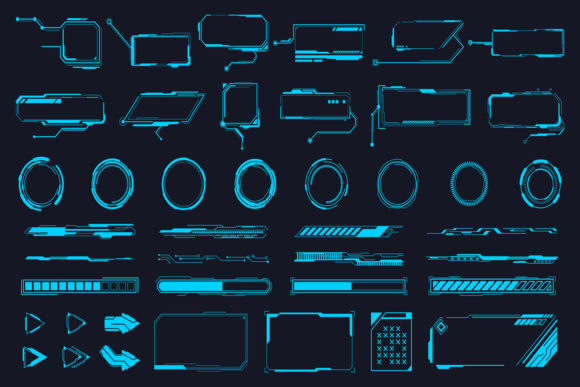
Futuristic Interface UI Elements: Designing Tomorrow’s Digital Experiences
In the fast-evolving world of digital design, Futuristic Interface UI Elements have emerged as a powerful toolkit for creators looking to push boundaries. These elements blend sleek aesthetics with functional design, offering a modern approach to user interaction. Whether you're building a sci-fi themed project, a gaming interface, or an interactive data visualization, these UI components can elevate your work and help you stand out in a crowded digital space.
What Are Futuristic Interface UI Elements?
Futuristic Interface UI Elements refer to a collection of design assets that emulate advanced, high-tech interfaces often seen in science fiction. These elements are not just visually striking—they are crafted to enhance user experience through intuitive layouts, glowing effects, holographic textures, and dynamic animations. The package typically includes a versatile EPS10 file for scalable vector graphics and a 72ppi resolution JPEG preview for quick reference and integration into mockups or presentations.
Why Use Futuristic UI Elements?
Designers and developers turn to futuristic UI kits for several compelling reasons:
- Visual Appeal: The sleek, glowing, and layered designs capture attention and evoke a sense of innovation.
- Time-Saving: Pre-designed components streamline the development process, allowing creators to focus on functionality and storytelling.
- Versatility: These elements can be adapted for a variety of digital environments, from web dashboards to immersive VR interfaces.
Applications Across Industries
Futuristic Interface UI Elements are not limited to one niche—they have a wide range of applications across different fields:
- Data Visualization: Complex datasets can be transformed into engaging, easy-to-read infographics using futuristic panels, graphs, and animated transitions.
- Gaming Software: Game developers can integrate these elements into HUDs (Heads-Up Displays), control panels, and menu systems to enhance the sci-fi or cyberpunk atmosphere.
- Sci-Fi Projects: From movie concept art to interactive web experiences, these UI elements help bring futuristic worlds to life with authenticity and detail.
- Corporate Dashboards: Forward-thinking companies may use these designs to modernize internal tools and analytics platforms, making them more intuitive and visually stimulating.
Who Benefits Most from These UI Elements?
A variety of professionals and creators can benefit from incorporating Futuristic Interface UI Elements into their work:
- UI/UX Designers: Those looking to create next-gen user experiences can leverage these elements to prototype faster and impress clients with cutting-edge visuals.
- Game Developers: Especially those working on sci-fi or cyberpunk games, where immersive UI plays a key role in world-building.
- Content Creators: Video editors, motion designers, and digital artists can use these assets in animations, intros, or visual effects to enhance their storytelling.
- Entrepreneurs and Startups: Businesses aiming to project a high-tech, innovative image can use these UI elements in their digital products and presentations.
Key Features of Futuristic Interface UI Elements
When evaluating a UI kit like Futuristic Interface UI Elements, it's important to understand what makes it unique:
- Scalable Vector Format (EPS10): Ensures crisp visuals at any size, ideal for both web and print applications.
- Preview JPEG: The 72ppi JPEG file allows for quick placement in mockups, presentations, or client reviews without needing to open complex vector files.
- Modular Design: Components can be mixed and matched to suit different project needs without requiring complete redesigns.
- Customizable: While the elements come with a futuristic aesthetic, they can be adapted with color changes, animations, or integrations into existing design systems.
Strengths and Considerations
While Futuristic Interface UI Elements offer many advantages, it's important to consider both their strengths and potential limitations:
Strengths
- High Visual Impact: Ideal for projects that need to stand out or convey a sense of innovation and forward-thinking design.
- Efficient Workflow: Saves time in design and development by offering ready-to-use components.
- Creative Inspiration: Can spark new ideas for interface layouts and interactive elements.
Considerations
- Learning Curve: Designers unfamiliar with futuristic styles may need time to adapt their approach.
- Not Always Suitable: These elements may not fit every project, especially those aiming for minimalism or realism.
- Performance: Highly detailed or animated UI components may require optimization for web or mobile use.
Real-World Scenarios and Use Cases
Let’s explore how Futuristic Interface UI Elements can be applied in real-world situations:
- Interactive Dashboard for a Smart City Project: Using glowing panels, animated graphs, and holographic icons to display real-time urban data in a visually engaging way.
- Sci-Fi Mobile Game HUD: Implementing futuristic buttons, radar displays, and energy bars to create an immersive gameplay experience.
- Corporate Innovation Presentation: A startup pitching a new tech product can use these UI elements in slides and mockups to project a high-tech image.
- Virtual Reality Interface: Designing menus and control systems for VR applications that feel futuristic and intuitive.
Evaluating Suitability for Your Project
Before integrating Futuristic Interface UI Elements into your project, consider the following factors:
- Target Audience: Does your audience expect a modern, high-tech look? If so, these elements could enhance engagement.
- Brand Identity: Ensure the futuristic aesthetic aligns with your brand’s tone and message.
- Technical Requirements: Check whether the elements are compatible with your development tools and performance constraints.
- Budget and Timeline: Using pre-designed UI elements can save both time and money, especially for small teams or tight deadlines.
Conclusion: A Gateway to Future-Ready Design
Futuristic Interface UI Elements are more than just a visual trend—they represent a shift toward more immersive, dynamic, and expressive digital experiences. Whether you're a game developer, data scientist, or creative entrepreneur, these tools can help you craft interfaces that feel ahead of their time. By understanding their features, applications, and limitations, you can make informed decisions about how to best integrate them into your projects and create digital environments that captivate and inspire.